Posts

Showing posts with the label pike

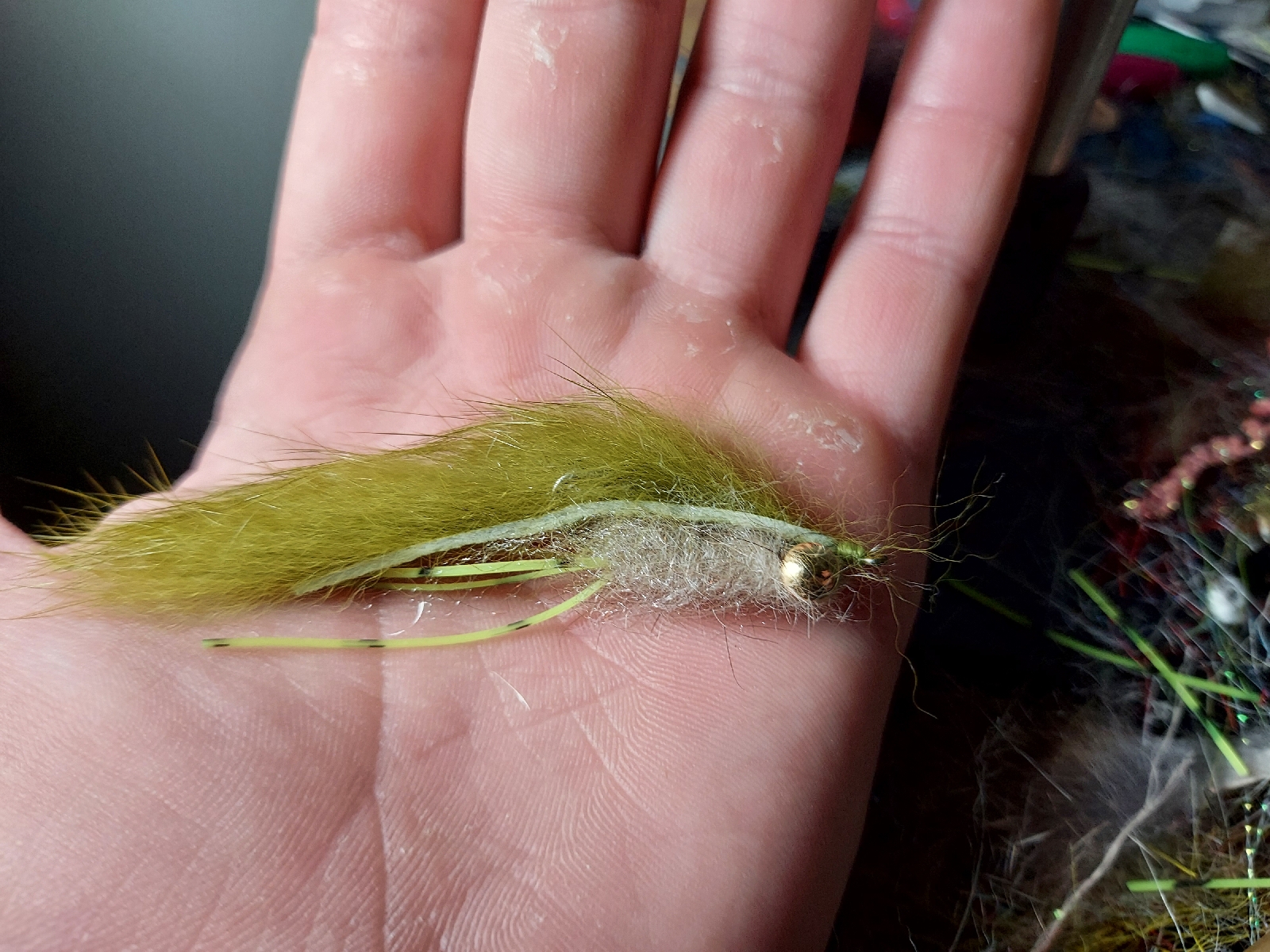
Tying A Simplified Zonker Leech
Image
Leeches are great streamers to have in your box. When fished on bass beds or near shelter they can get a ton of strikes and have incredible action. Leeches are highly effective for bass and crappie on beds or around brush but can also catch plenty of trout and even pike. This fly is about as simple as it gets when it comes to leeches. It is loosely based on the creek leech but is a pretty generic leech pattern. Materials needed: Olive zonker strip Rubber legs Tan dubbing Streamer hook Dumbell eyes Olive thread Step 1. Bring the thread a short distance back from the hook eye. You will need enough space to tie in a pair of dumbell eyes with some room to spare for the zonker strip later on. Step 2. Tie in your dumbell eyes using x-wraps. The dumbell eyes on this pattern help it sink down in the water column more quickly and also provide a bit of jigging action on the water. Once you have a fair amount of thread on the eyes you can apply a small drop of adhesive and...
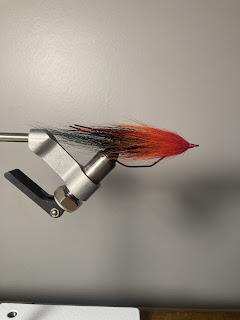
Tying a reverse bulkhead swimbait style

Image
 The reverse bulkhead is a pattern that was developed by Bob Popovic and he is well known around the fly tying world for his skill with bucktail. This fly is super fun to fish for bass, pike, and just about any predatory fish both freshwater and saltwater. I’ve found these flies to be most effective with a long steady strip followed by a quick tug, and then a pause.  Materials needed: Small hook or shank Pr378 swimbait hook Thread color of choice Bucktail Flash of choice 50-60lb monofilament  Adhesive of choice(optional) Step 1: secure your thread to the shank and tie a piece of 50-60lb monofilament pointing straight off the hook Step 2: tie in a sparse stack of bucktail and move it around the hook 360 degrees with you thumb. The goal with this is to surround the hook shank Step 3: tie in one strand of large flashabou or multiple strands of crystal flash on both sides of the hook. The idea with this stack is to keep it sparse Step 4: move your thread up the hook shank and...